

Introduction
In the last four decades, the manufacturing landscape has undergone a seismic shift, with technological advancements driving significant changes across various industries. The signage industry, in particular, has experienced remarkable transformations, evolving from traditional methods to highly sophisticated processes that cater to a more dynamic and demanding market. As a signage manufacturing company, understanding these changes is not just beneficial but crucial to staying competitive in an ever-evolving marketplace.
Early Days: Handcrafted Manufacturing & Basic Machinery
Forty years ago, the signage industry was largely dependent on manual labour and basic machinery. Craftsmen meticulously hand-painted signs, and while this artisanal approach had its charm, it was time-consuming, labour-intensive, and prone to inconsistencies. Signage production was a slow process, often requiring days or even weeks to complete a single project. The limited availability of fonts, colours, and materials further constrained creativity and customization.
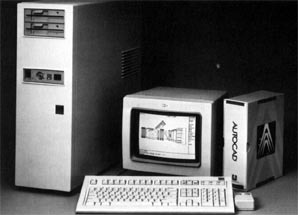
The Advent of Computer-Aided Design (CAD)
The introduction of Computer-Aided Design (CAD) in the 1980s marked a turning point in the signage industry. CAD software allowed designers to create detailed, precise digital models of signs, which could be easily modified and scaled. This innovation drastically reduced the time required to design signage and opened a world of possibilities in terms of creativity and customization.
For the first time, designers could experiment with different fonts, colours, and shapes with a few clicks, previewing how the final product would look before any materials were used. This not only streamlined the design process but also significantly reduced material waste, making signage manufacturing more cost-effective and environmentally friendly.
CNC Routers: Revolutionizing Material Manipulation
CNC routers quickly became a staple in signage manufacturing, providing an unprecedented level of precision in cutting, engraving, and shaping a wide variety of materials, from wood and plastic to aluminium and composites. These machines, guided by digital designs, allowed to produce intricate and consistent signage components with unparalleled accuracy. The ability to automate these tasks meant that production times were drastically reduced, while human error was minimized, leading to higher quality products and more efficient use of resources. For example, complex 3D lettering and elaborate designs that would have been nearly impossible to achieve by hand can now be easily replicated, ensuring uniformity across large production runs.

Laser Cutters: Precision manufacturing at Industrial Scale
Laser cutters brought a new dimension to the signage industry, especially on an industrial scale. Capable of cutting through a range of materials including acrylic, metal, and wood with extreme precision, laser cutters are essential for creating clean, intricate designs that would be difficult to achieve with traditional tools. The laser’s ability to produce fine cuts and engravings has enabled the creation of detailed logos, intricate patterns, and high-definition text, which have become increasingly popular in modern signage.
Moreover, laser cutting is not just about precision—it’s also about speed and efficiency. On an industrial scale, laser cutters can process large volumes of material quickly, making them ideal for high-demand production environments. The technology also reduces material waste, as the precision of the cut minimizes excess trimming, leading to cost savings and more sustainable production practices.
Water Jet Cutters: Versatility in Material Processing
Water jet cutting technology further expanded the capabilities of signage manufacturers by allowing them to work with an even broader range of materials. Water jet cutters use a high-pressure stream of water, sometimes mixed with an abrasive substance, to cut through virtually any material, including thick metals, stone, glass, and composites. This technology is particularly valuable for projects that require the cutting of strong, durable materials without generating heat, which can cause warping or damage.
For signage applications, water jet cutters are often used to create large, structural signs, or signs made from materials like stainless steel and stone, which are commonly used in corporate or public settings. The ability to cut these materials with precision and smooth edges opens up new possibilities for signage designs that are both robust and aesthetically pleasing.
The Integration of Technologies for large-scale manufacturing
The combination of CNC routers, laser cutters, and water jet cutters has given signage manufacturers the ability to tackle projects of any scale and complexity. By integrating these technologies into the production process, manufacturers can now create signage that meets exacting standards of quality and durability, while also offering a high degree of customization.

Digital Printing and Large Format Printing
The turn of the millennium introduced digital printing technology to manufacturing, which had a profound impact on the signage industry. Large format printers could now produce high-resolution, full-colour graphics on a variety of substrates, including vinyl, fabric, and metal. This technology made it possible to create vibrant, eye-catching signs that could withstand the elements, further expanding the range of products that signage companies could offer.
Digital printing also brought about the era of on-demand production. Instead of relying on pre-made designs or bulk orders, customers could now request customized signs with unique graphics, colours, and messages, which could be produced quickly and affordably. This shift towards customization has become a defining feature of modern signage, allowing businesses to create highly personalized branding and marketing materials.

The Impact of LED Technology in manufacturing
Lighting has always played a crucial role in signage, and the introduction of LED technology has revolutionized this aspect of the industry. LEDs (Light Emitting Diodes) offer a range of benefits over traditional lighting options like fluorescent bulbs, making them the preferred choice for modern signage. The switch from fluorescent to LED technology has had significant advantages for both customers and suppliers, transforming how signs are created, maintained, and utilized.
Benefits to the Customer: Energy Efficiency and Longevity
One of the most significant benefits for customers switching to LED from fluorescent lighting is energy efficiency. LEDs consume far less power than fluorescent bulbs, resulting in lower electricity bills. This is particularly important for businesses that use illuminated signage for long periods, such as storefronts, billboards, or any signage that needs to remain visible at night. Over time, the energy savings can be substantial, reducing operational costs and making LED signage a cost-effective investment.
In addition to energy efficiency, LEDs have a much longer lifespan than fluorescent bulbs. While fluorescent tubes may last around 10,000 to 15,000 hours, LEDs can last up to 50,000 hours or more, depending on usage. This longevity means that customers will need to replace their signage lighting less frequently, leading to lower maintenance costs and less frequent disruptions to their business operations. The reduced need for replacements also means fewer instances of signs becoming dim or partially illuminated, which can negatively affect a business’s image.
Furthermore, LEDs offer superior brightness and clarity compared to fluorescent lighting. They provide a more consistent and vibrant illumination, which enhances the visibility and attractiveness of signs. This improved visual quality can make a significant difference in capturing the attention of potential customers, especially in competitive retail environments.
The Integration of Smart Technology
In recent years, the integration of smart technology into signage has taken the industry to new heights. Smart signs can be connected to the internet, allowing them to display live data, interact with users, or even be controlled remotely. For example, digital billboards can update their content based on the time of day, weather conditions, or the demographics of passersby, making them a highly effective tool for targeted advertising.
Moreover, the rise of the Internet of Things (IoT) has enabled signage to play a more interactive role in the customer experience. Touchscreens, QR codes, and NFC technology allow users to interact with signs, access additional information, or complete transactions directly from the sign itself. This level of interactivity not only enhances the user experience but also provides businesses with valuable data on customer behaviour and preferences.

Sustainability and Eco-Friendly Practices
As environmental concerns have grown, the signage industry has also embraced more sustainable practices, driven in part by technological advancements. Modern materials and production techniques have made it possible to create durable signs with a smaller environmental footprint. For example, LED lighting consumes less energy, while digital printing uses fewer chemicals and generates less waste compared to traditional methods.
Recycling and the use of eco-friendly materials have also become more common in signage manufacturing. Companies are now more focused on producing signs that are not only effective and visually appealing but also aligned with the growing demand for sustainability.
In conclusion, the last 40 years in manufacturing have seen the signage industry transform from a manual, labour-intensive craft to a high-tech, dynamic sector capable of producing stunning, customized signs at scale. As a signage manufacturing company, staying at the forefront of these technological trends is essential not just for survival, but for thriving in an industry that is constantly evolving. Embracing new technologies and adapting to changing market demands will ensure that we continue to create impactful signage solutions that meet the needs of our clients in an ever-changing world.


